In the United States, a drone can legally fly up to 400 feet above ground level (AGL) under FAA Part 107 rules. Near a tall structure, that limit extends to 400 feet above the structure’s uppermost point. This altitude ceiling keeps drones safely separated from manned aircraft. Below, we explain exactly how the rule works, why it exists, the exceptions worth knowing, and what it all means for your aerial project.
The 400-foot rule explained
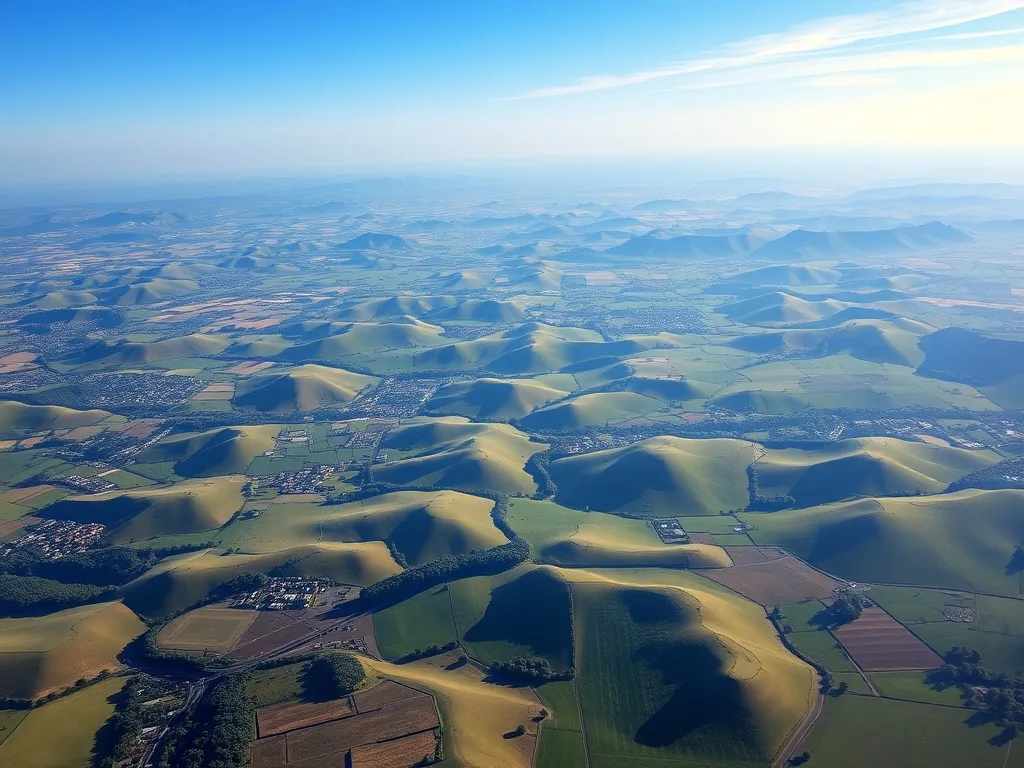
Under FAA Part 107, recreational and commercial drone pilots must keep their aircraft at or below 400 feet above the ground. The measurement is taken from the ground directly beneath the drone, not from the pilot’s launch point — an important distinction when flying over hills or valleys.
There’s one practical extension: if you’re flying close to a tall building, tower, or other structure, you may fly up to 400 feet above that structure’s immediate uppermost limit, as long as you stay within 400 feet of it horizontally. This lets pilots safely inspect tall buildings and antennas.
Why the 400-foot limit exists
The ceiling is a safety buffer. Manned aircraft generally operate at 500 feet and above (except during takeoff and landing). Keeping drones below 400 feet creates separation that protects both the people in the air and on the ground. It’s one of the cornerstones of safely integrating drones into national airspace.
Exceptions and waivers
The 400-foot rule isn’t absolute. There are a few important nuances:
Structure exception
As noted, you can exceed 400 feet AGL when operating within 400 feet of a tall structure.
FAA waivers
The FAA can grant a Part 107 waiver for specific operations that require higher altitudes, provided the pilot demonstrates they can do so safely.
Controlled airspace
Near airports, drones fly in controlled airspace and need authorization — often through the automated LAANC system — which may cap altitude well below 400 feet.
How airspace classes affect altitude
Not all airspace is the same. In uncontrolled (Class G) airspace away from airports, the standard 400-foot ceiling applies. In controlled airspace (Classes B, C, D, and E surface areas) near airports, you must request authorization and follow any altitude restrictions the FAA sets for that grid. Certified pilots check these zones before every flight.
What the limit means for your project
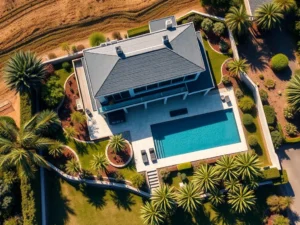
For nearly every commercial use — real estate, inspections, events, construction, and mapping — 400 feet is more than enough. Most real estate shots are captured between 100 and 250 feet, where the perspective is ideal and the property is clearly framed. The key is working with an FAA-certified pilot who understands airspace rules so your shoot stays legal and safe. Explore our aerial services to see what’s possible within the rules.
Frequently Asked Questions
Can a drone legally fly above 400 feet?
Only with a specific FAA waiver, or when flying within 400 feet of a tall structure. Otherwise, 400 feet above ground level is the legal ceiling.
Is the 400-foot limit measured from the ground or the pilot?
It’s measured from the ground directly beneath the drone, not from where the pilot is standing — important when flying over uneven terrain.
Do I need permission to fly near an airport?
Yes. Controlled airspace near airports requires FAA authorization, usually obtained instantly through the LAANC system.
How high do drones fly for real estate photography?
Most real estate shots are taken between 100 and 250 feet, which is well under the limit and frames a property perfectly.
What happens if you fly a drone too high?
Exceeding the limit without authorization violates FAA rules and can lead to fines. Certified pilots stay compliant to avoid penalties.
Need aerial imagery done right? Explore our services and a certified pilot will handle every airspace rule for you.