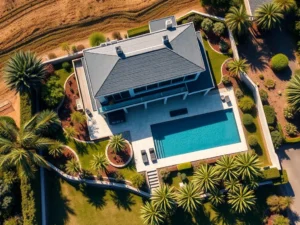
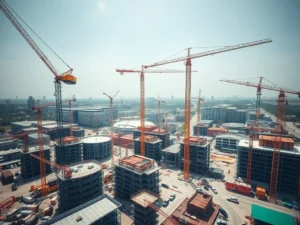
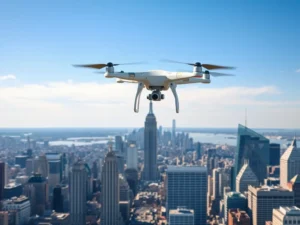
Drone photography captures wide, elevated perspectives that show scale and context, while traditional photography excels at close-up detail and interiors. Neither is universally better — the right choice depends on your project, budget, and the story you want to tell. Often, the best results come from combining both. Here’s a clear comparison to help you decide.
Cost comparison
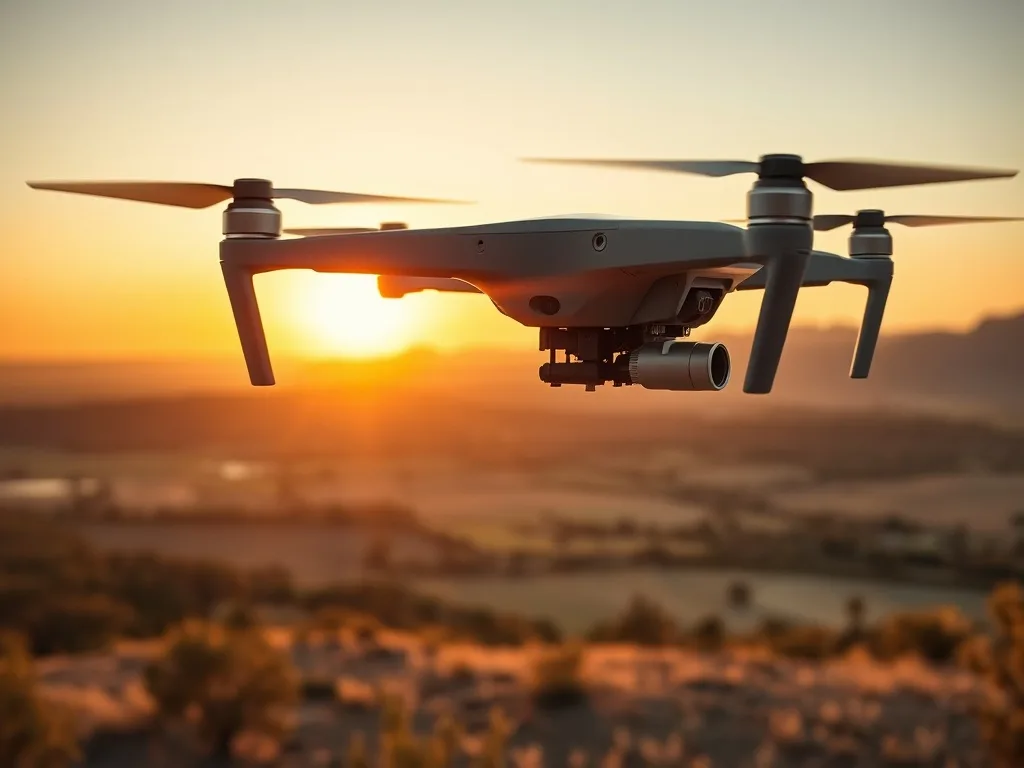
For wide exteriors, large properties, and land, drones are remarkably efficient: a single flight captures angles that would take a traditional photographer hours (or a crane) to reach. For interiors, products, and portraits, a standard camera is faster and more cost-effective. As a rule of thumb, drones save money on scale and access, while traditional gear wins on close, controlled shots.
Perspective and visual impact
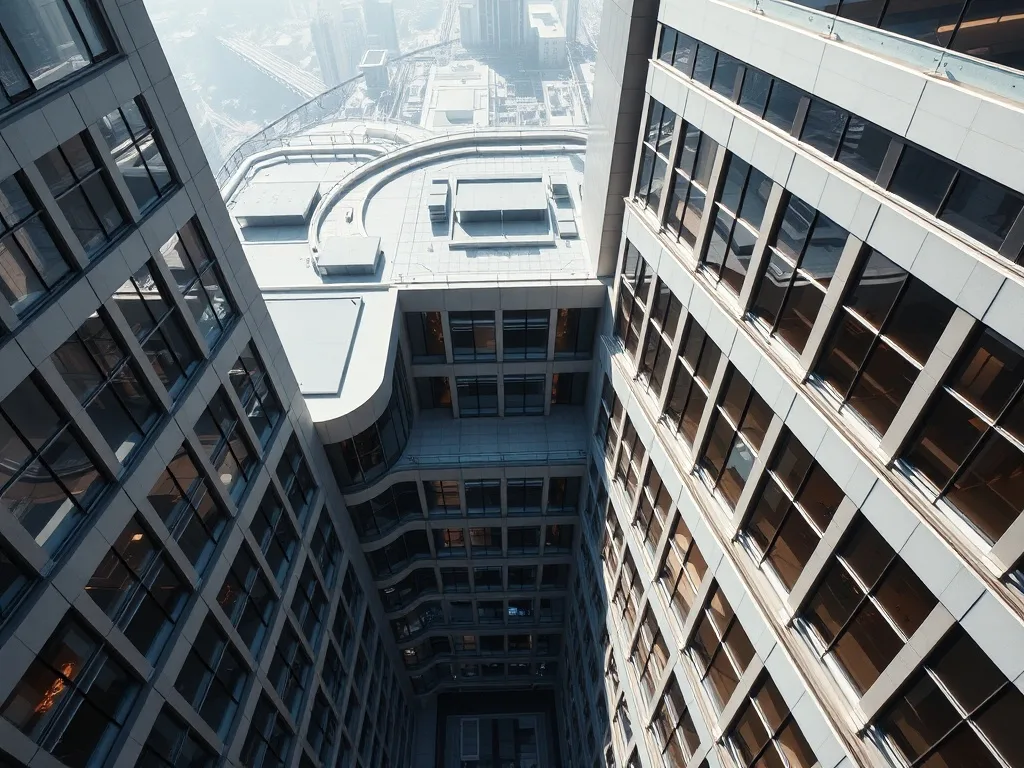
This is where drones shine. Aerial photography unlocks sweeping overheads, dynamic motion, and a sense of place that ground-level shots simply can’t match. For real estate, events, and marketing, that elevated perspective is often the most memorable image in the entire set.
Traditional photography, meanwhile, delivers intimacy and detail — texture, lighting, and emotion that draw a viewer in.
Image quality and control
Modern drones shoot high-resolution photos and 4K video, but traditional cameras still offer more control over depth of field, low-light performance, and fine detail. For technical or artistic close work, ground gear has the edge; for grand scale, drones win.
Best use cases for each
Choose drone photography for:
- Real estate exteriors and land
- Construction progress and inspections
- Events and venues
- Marketing content that needs a “wow” factor
Choose traditional photography for:
- Interiors and architecture details
- Portraits and team photos
- Product and close-up work
When to combine both
Most professional projects benefit from a mix. A real estate listing might open with a sweeping aerial hero shot, then move to crisp interior photos. A construction report might pair aerial progress maps with ground-level detail shots of key areas. Combining perspectives tells a complete, persuasive story.
Get the aerial half done right
Aerial work requires an FAA Part 107 certified pilot to fly legally and safely. Tomafly handles the drone side with certified pilots nationwide, so you get professional aerial imagery to complement your ground photography. Browse our projects or order your aerial shot today.
Frequently Asked Questions
Is drone photography better than traditional photography?
Neither is universally better. Drones excel at scale, access, and perspective, while traditional cameras excel at detail, interiors, and control.
Can you use drones for indoor photography?
Indoor drone use is limited and specialized. Most interior work is captured with traditional cameras.
Should I combine drone and ground photos?
Often yes. Combining aerial context with ground-level detail gives a complete, professional view of a property or project.
Is drone photography more expensive?
For wide exteriors and large sites, drones are often more cost-effective than traditional methods. For interiors and close-ups, traditional gear is cheaper.
Do I need a licensed pilot for commercial drone photos?
Yes. Any paid drone photography requires an FAA Part 107 certified pilot.
Want the best of both? Order professional aerial photography from a certified pilot near you.