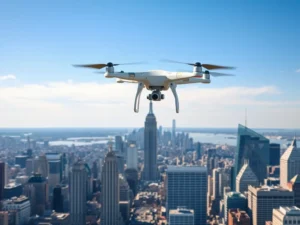
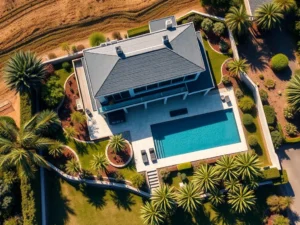
A drone roof inspection uses a camera-equipped drone to capture high-resolution images of a roof from the air — no ladders, no climbing, and no risk to inspectors. It’s faster, safer, and usually more affordable than a traditional inspection, which is why insurers, solar installers, and property managers increasingly rely on it. Here’s exactly how drone roof inspections work and why they save money.
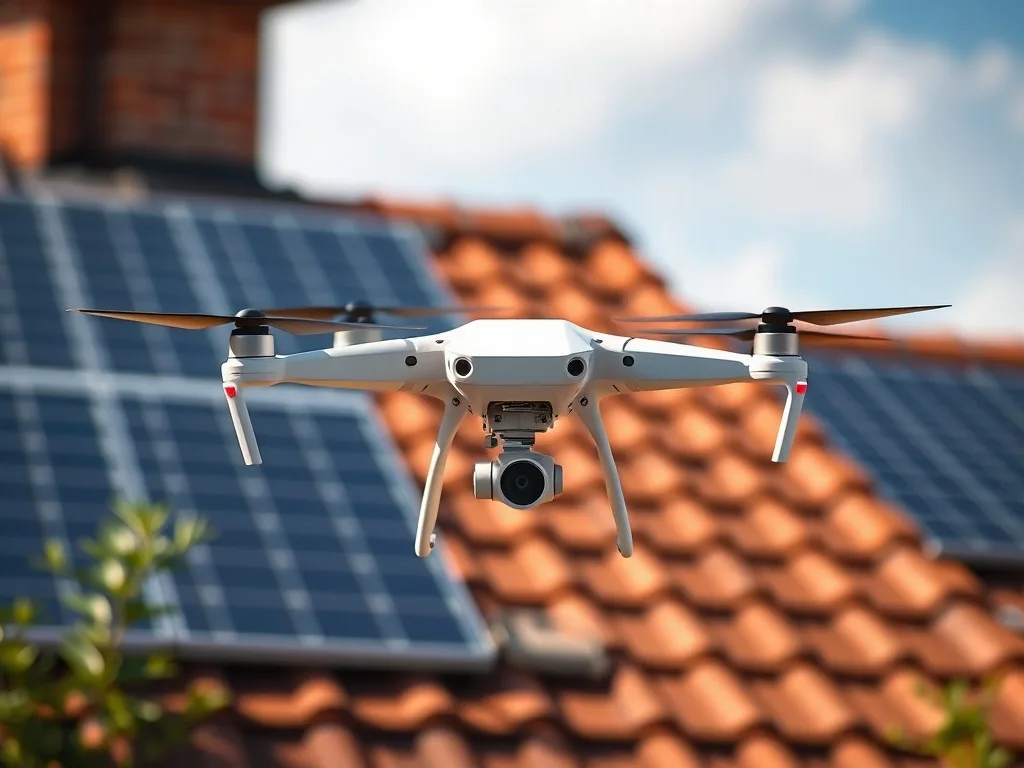
Traditional vs. drone roof inspections
A traditional inspection means physically climbing onto the roof — slow, dangerous, and limited by what a person can safely reach. A drone captures the entire roof in minutes from multiple angles, including steep or fragile sections no one can safely walk on. Many drones also carry thermal cameras that reveal moisture and heat loss invisible to the naked eye.
What a drone roof inspection detects
High-resolution aerial imagery clearly documents:
- Cracked, curling, or missing shingles
- Storm, hail, and wind damage
- Leaks and moisture intrusion (with thermal imaging)
- Worn flashing, vents, gutters, and chimneys
- Debris buildup and drainage problems
Every finding is captured in date-stamped images you can share with clients, insurers, or contractors.
Why drone inspections save money
The savings come from three places. First, removing the climb cuts labor time and the liability that comes with sending workers onto a roof. Second, inspections finish in a fraction of the time, so reports are delivered faster. Third, catching small issues early — before they become leaks or structural damage — avoids far costlier repairs down the road.
Common use cases
Insurance claims
Accurate, time-stamped aerial documentation speeds up claims and reduces disputes.
Solar installations
Installers assess roof condition and layout before mounting panels.
Bienes raíces
Buyers and sellers verify roof condition without a costly manual inspection.
Preventive maintenance
Property managers schedule periodic flights to stay ahead of problems.
Do you need a license for drone roof inspections?
Yes. Commercial drone inspections must be flown by an FAA Part 107 certified pilot. A certified operator also knows how to handle airspace and capture imagery that holds up for insurance and reporting. Explore our drone inspection services to see what’s included.
How to book a drone roof inspection
The fastest way is to order an inspection and let Tomafly match you with a certified pilot near you. You get high-resolution imagery and a clear record — safely and quickly.
Frequently Asked Questions
How much does a drone roof inspection cost?
Most drone roof inspections run $200–$500, depending on the property size and how detailed the report needs to be.
Are drone roof inspections accurate?
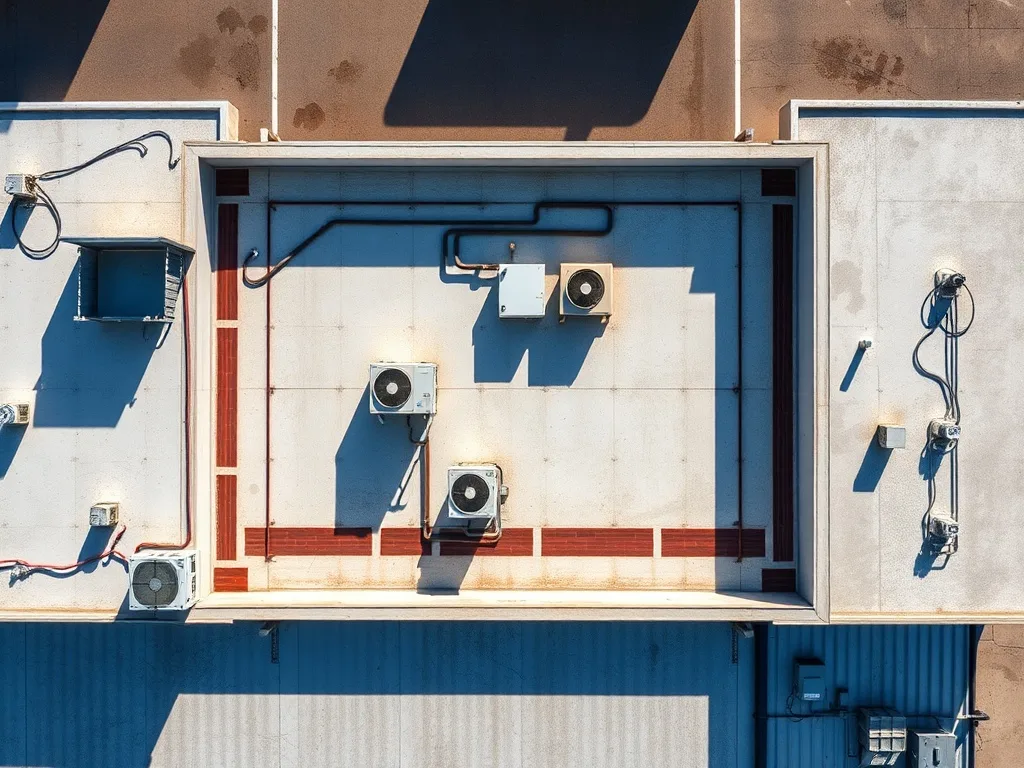
Yes. High-resolution and thermal imagery often reveal issues that are hard to spot from the ground or even on foot.
Can drones inspect commercial roofs?
Absolutely. Drones are ideal for large commercial and industrial roofs where climbing is impractical or unsafe.
Do insurance companies accept drone roof inspections?
Many do. Date-stamped aerial imagery provides clear documentation that supports faster, cleaner claims.
Is a license required for drone roof inspections?
Yes. Commercial inspections must be performed by an FAA Part 107 certified pilot.
Need a roof checked safely? Book a drone roof inspection with a certified pilot near you.